

In ultra-precision machining, single crystal diamond tools are widely used for optical components, precision molds, and advanced electronics due to their exceptional hardness and cutting performance. During tool manufacturing and reconditioning, the cast iron lapping plate combined with diamond micron powder plays a critical role in achieving a flawless cutting edge.
This article provides a comprehensive overview of the key process factors, including micron powder selection, cast iron plate conditioning, and polishing media optimization.
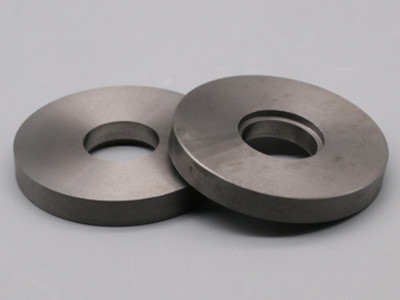
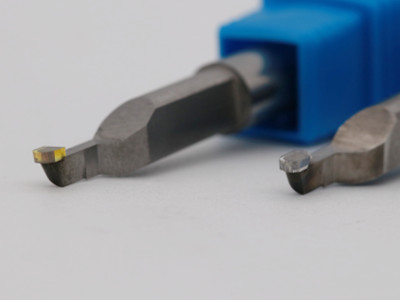
The goal of rough lapping is fast material removal and forming the basic geometry of the tool. Typically, diamond powders in the range of 5–30 μm are used.
Coarser abrasives provide higher removal rates, but they also introduce higher impact forces on the cutting edge, which may cause micro-chipping. Therefore, process parameters must be carefully controlled.
In the finishing stage, the objective shifts to achieving a straight, defect-free cutting edge with superior surface quality. Ultra-fine diamond powders below 1 μm are required.
Fine abrasives reduce edge serration and surface micro-cracks, enabling mirror-like finishes.
A gradual transition from coarse to fine grits is essential:
Skipping grit sizes can lead to stress concentration and edge damage.
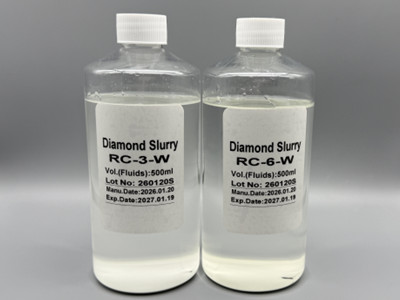
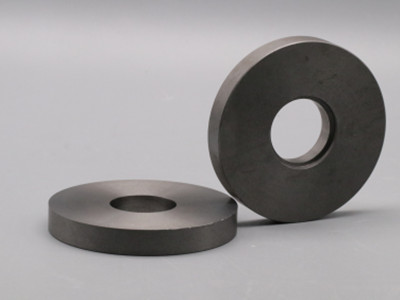
A gear-shaped dressing ring made of cast iron is used together with abrasive slurry (such as silicon carbide or aluminum oxide) to remove high spots and restore flatness.
Manual scraping is used for ultra-high precision applications.
Olive oil is widely used as a polishing medium due to its lubrication and stability.
Water-based systems lack sufficient lubrication for ultra-precision polishing, making them less suitable for single crystal diamond tools.
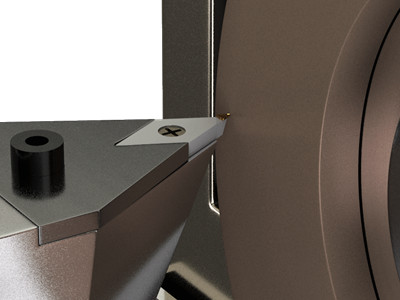
The cast iron plate grinding process is essential for achieving high-performance single crystal diamond tools. By optimizing micron powder selection, conditioning methods, and polishing media, manufacturers can significantly improve tool quality, consistency, and lifespan.
<< :Does the metal wire require outer diameter machining after drawing?
<< :Do Vitrified Bond Diamond Grinding Wheels Crack During Storage?
Fix CCD detection device no‑image blank screen fault for PCD grinding machine. Learn troubleshooting steps for frame grabber card & signal cable problems.
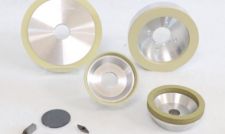
Professional PCD and PCBN tool grinding solutions with custom diamond grinding wheels and standardized processes. Eliminate graphitization & edge chipping for high-precision super-hard tool processing.
Add: Zhongyuan Rd, Zhongyuan District, Zhengzhou, 450001, Henan, China
Tel: +86 17700605088



