


In the metal wire processing industry, wire drawing dies (also known as drawing dies or wire drawing dies) are crucial forming tools used to gradually draw metal rods or thick wires through die holes, producing finer wires with smaller diameters, smoother surfaces, and more precise dimensions. From everyday copper wires and steel wire ropes to high-end tungsten wires, molybdenum wires, and titanium alloy wires, almost all metal wires rely on wire drawing dies.
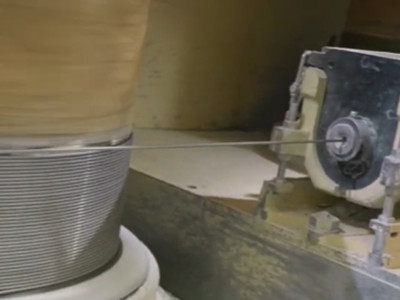
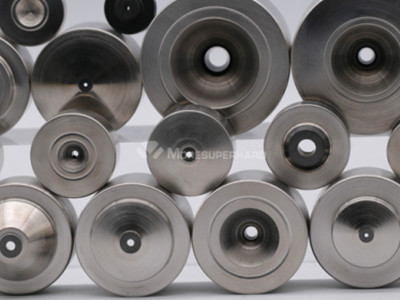
A wire drawing die is essentially a ring-shaped mold with precision tapered channels. Under tensile force, the metal wire passes through the die holes, becoming elongated and thinner due to the reduced cross-sectional area, while simultaneously achieving higher strength and better surface quality. This process is called "drawing," and can be completed in a single pass or through multiple passes with progressive diameter reduction.
The main functions of wire drawing dies
Dimensional control:Precisely designed die hole diameters ensure wire reaches target tolerances (down to the micrometer level);
Surface finishing: Highly polished inner walls of the die hole result in a smooth, scratch-free wire surface;
Improved mechanical properties:The cold drawing process causes work hardening in the metal, increasing tensile strength;
Increased material utilization: Compared to cutting processes, drawing is a near-net-shape forming process with almost no waste.
Common wire drawing die material types: The core performance of a wire drawing die lies in the material used in its working area (die hole), which must possess high hardness, high wear resistance, good thermal stability, and a certain degree of toughness.
Tungsten carbide wire drawing dies (YG type):Such as YG6, YG8, YG15, etc. Higher cobalt content results in better toughness. Suitable for the roughing and intermediate drawing stages of medium-to-low strength metals such as copper, aluminum, and low-carbon steel. Low cost and easy to process, it is the most widely used type.
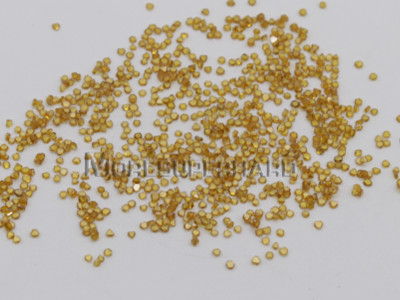
Polycrystalline diamond (PCD) wire drawing dies: Sintered from micron-sized diamond particles, they possess extremely high hardness and wear resistance far exceeding that of cemented carbide. They are particularly suitable for drawing fine and ultrafine wires (such as enameled wire and bonding wire) of copper, aluminum, and their alloys, with a lifespan 10–50 times longer than cemented carbide dies.
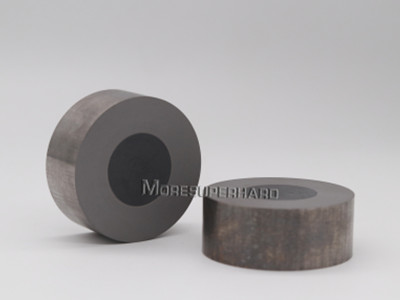
Natural diamond wire drawing dies: Made by drilling holes in single-crystal natural diamond, they offer excellent hole shape precision and surface quality. Primarily used for drawing high-value, high-precision wires such as ultrafine tungsten, molybdenum, and gold wires. However, they are expensive and brittle, and are only used in the final stage of precision drawing.
CVD diamond wire drawing dies: Utilizing chemical vapor deposition technology, a pure diamond film is grown on a cemented carbide substrate. Combining high wear resistance with good impact resistance, they are suitable for corrosive materials (such as stainless steel wire) or applications requiring high lifespan, representing an emerging high-end choice.
The following factors should be considered when selecting a die:
Type of Material Being Drawn:
Soft metals:PCD dies are preferred for both lifespan and surface quality.
High-carbon steel and stainless steel:Carbide dies (e.g., YG15) or CVD diamond dies are recommended to avoid reactions between PCD and iron group elements.
Refractory metals: Natural diamond dies are typically used for final precision drawing.
Wire Diameter and Precision Requirements:
Diamond dies should be selected for ultra-fine wires (<0.1 mm) or high tolerance requirements (IT01 grade). Carbide dies can be used for conventional wires to reduce costs.
Production Batch and Economy: For small-batch trial production, cemented carbide dies can be used; for large-batch continuous production, PCD dies are recommended, although the initial investment is higher, the unit cost is lower.
Ensure the die is coaxial with the wire drawing direction during installation to avoid uneven wear
Maintain adequate lubrication to reduce frictional heat and wear
Regularly check the die outlet for "flaring" or scratches, and replace promptly to prevent wire breakage
Different wire materials should use dedicated dies to avoid cross-contamination leading to abnormal wear
Although small, wire drawing dies are the "choke point" of the metal wire industry. From power transmission to semiconductor packaging, from building steel cables to medical devices, their performance directly affects product quality and production efficiency. Understanding the characteristics of wire drawing dies for different materials and selecting the appropriate type based on material, process, and cost requirements is a key step in achieving efficient, stable, and economical wire drawing.

Fix CCD detection device no‑image blank screen fault for PCD grinding machine. Learn troubleshooting steps for frame grabber card & signal cable problems.
Professional PCD and PCBN tool grinding solutions with custom diamond grinding wheels and standardized processes. Eliminate graphitization & edge chipping for high-precision super-hard tool processing.
Add: Zhongyuan Rd, Zhongyuan District, Zhengzhou, 450001, Henan, China
Tel: +86 17700605088


