

Diamond ranks as the hardest known material, yet its crystal cleavage planes make it highly brittle. During diamond notching & cleaving grooving, common defects include chipped notch edges, subsurface micro‑cracks, and catastrophic breakage in subsequent cleaving steps. The grit size of your diamond notching wheel directly governs grooving efficiency, notch quality and final yield rate. Many diamond fabricators simply copy parameters from imported wheels, only to suffer massive losses of diamond rough due to improper grit selection.
Based on a real‑world inquiry case from a Turkish diamond processing client, this article breaks down grit‑selection logic for metal‑bond diamond notching wheels. We differentiate three core processes: rough grooving, fine re‑grooving and super‑finishing polishing, to help diamond manufacturers strike a balance between productivity and finished‑stone yield.
Turkey is an important global hub for diamond rough processing. This client processes both natural and lab‑grown diamonds for cleaving notch operations. Their inquiry covered three items:
The client was benchmarking against imported notching wheels and facing two typical production pain points. Coarse‑grit wheels caused heavy notch chipping and stone breakage during later cleaving. Over‑fine grits brought rapid wheel glazing, insufficient cutting power, over‑heating and low throughput.
Industry note: Products generically named “diamond grooving wheel” rarely distinguish between rough‑cut and finishing‑cut applications. Many workshops use one single wheel for the full workflow — a top cause of diamond rejection. Notching wheels mostly adopt metal bond. Both bond formulation and grit size must match each individual process; mixing grits across processes will lead to poor results.
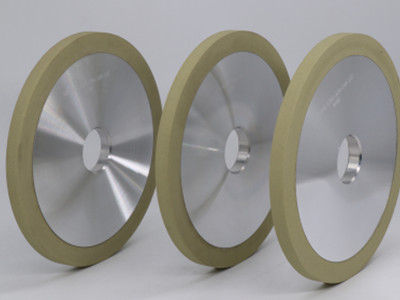
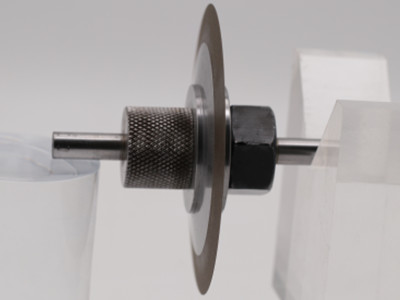
Higher grit numbers mean finer diamond abrasive grains; lower grit numbers mean coarser grains. For diamond notching work, grit size balances three critical performance indicators:
The complete diamond notching workflow consists of three strictly separated steps: primary rough grooving, fine re‑grooving, super‑finishing polishing. Each step requires a dedicated grit range; cross‑process usage is prohibited.
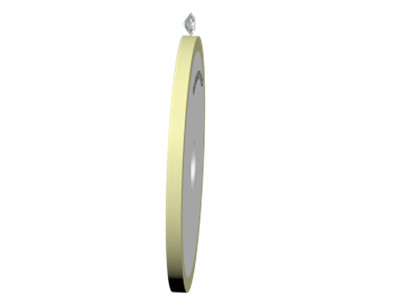
Application: First‑pass deep cleaving grooves on diamond rough, large‑carat natural diamond bruting, processes requiring heavy material removal.
400#‑600#
Pros: Highest cutting efficiency, ideal for thick rough material, deep grooves and high‑volume mass production.
Cons: Elevated risk of notch chipping and subsurface micro‑cracks.
✅ Suitable for diamond rough that will undergo subsequent finishing & re‑grooving operations.
❌ Not for thin‑edged rough or high‑value polished‑stone preforms. Coarse grit creates hidden crack risks leading to cleaving‑stage shattering.
800#‑1200# (preferred trial grit for our Turkish client)
Pros: Industry‑standard balanced grit. Good compromise between processing speed and part quality; chipping and micro‑cracks remain well‑controlled.
✅ Works for most natural diamonds and standard HPHT / CVD lab‑grown diamonds for first‑pass grooving. The top starting grit for domestic wheels replacing imported alternatives.
Case reference: For the client’s D90*L90*V15 notching wheel for first‑pass grooving, we recommend starting trials at 800#. It maintains acceptable cutting speed while minimizing chipping‑related diamond loss.
Application: CVD & HPHT lab‑grown diamonds, small‑carat thin‑edge rough, mechanically fragile crystal material. Used for post‑groove re‑trimming, geometry correction and removal of minor chipping defects.
Advantages: Fine abrasive grains produce low grinding heat and nearly zero subsurface micro‑cracks; greatly improved notch flatness.
Disadvantages: Low material‑removal capacity and slow processing speed. Metal‑bond fine‑grit wheels glaze quickly and require regular dressing.
⚠️ Do NOT deploy for high‑stock‑removal first‑pass grooving due to insufficient cutting aggression.
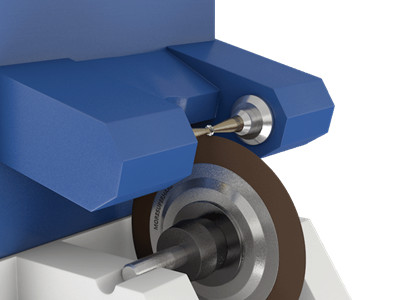
Application: High‑end preform finishing, mirror‑quality notch surfaces, strict zero‑chipping / zero‑micro‑crack specifications. Only for minimal stock removal and final finishing. Never use for first‑pass grooving.
Features: Eliminates chipping risk and delivers ultra‑low notch‑bottom roughness.
Warning: Abrasives are extremely fine with minimal cutting ability. Forced use on primary grooving causes slipping, overheating and invisible thermal damage to diamond rough.
| Process | Grit Range | Workpieces | Key Remarks |
| Primary Rough Grooving | 400‑600# | Thick large‑carat natural rough, with subsequent finishing steps | Optimized for throughput; avoid fragile thin‑edge rough |
| General‑purpose Rough Grooving | 800‑1200# | Standard natural & lab‑grown diamond for first‑pass grooving | Preferred trial grit to replace imported wheels |
| Fine Re‑grooving & Trimming | 1500‑2000# | Thin‑edge rough, CVD / HPHT lab‑grown diamond secondary trimming | Removes chipping defects; not for heavy stock removal |
| Super‑Finishing Polishing | 3000‑4000# | Premium preform mirror‑notch minimal polishing | Strictly prohibited for first‑pass grooving |
For diamond notching wheels, neither excessively coarse nor excessively fine grit delivers optimal outcomes. The golden rule is matching grit grade to the exact manufacturing process.
When benchmarking imported notching wheels, verify grit specification and metal‑bond formula together with D / L / V dimensional parameters. Proper wheel selection reduces notch chipping, micro‑cracks and cleaving‑stage breakage, lifting overall diamond‑rough yield.
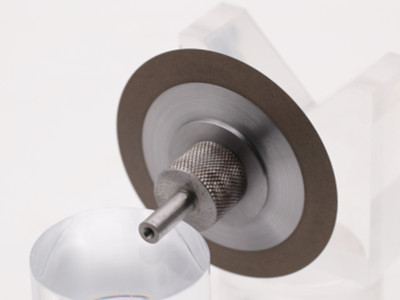
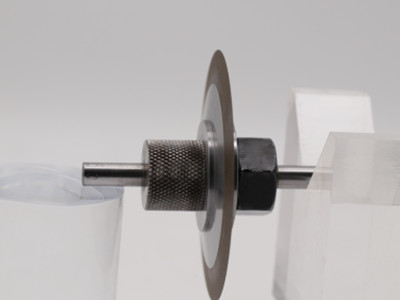
This article targets procurement specialists and process engineers in diamond processing plants as technical reference. Contact us for sample proposals for custom‑made 1A1 diamond wheels and D90 V‑profile notching wheels, providing details such as diamond material type, production process and target yield requirements.
Fix CCD detection device no‑image blank screen fault for PCD grinding machine. Learn troubleshooting steps for frame grabber card & signal cable problems.
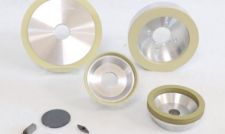
Professional PCD and PCBN tool grinding solutions with custom diamond grinding wheels and standardized processes. Eliminate graphitization & edge chipping for high-precision super-hard tool processing.
Add: Zhongyuan Rd, Zhongyuan District, Zhengzhou, 450001, Henan, China
Tel: +86 17700605088



