

CVD stands for Chemical Vapor Deposition. Within the superhard cutting tool industry, CVD diamond plate (CVD diamond blank) and SCD single‑crystal diamond are critical raw materials.
Many purchasers only focus on plate length, width and thickness, while overlooking that the intended machining application defines CVD diamond plate specifications. Crystal orientation, crystal grade, thickness tolerance, internal defects and surface condition directly govern subsequent processing costs and tool service life. For instance, {100} crystal‑orientation CVD diamond plates exhibit markedly different grinding characteristics and tool wear performance compared with other orientations.
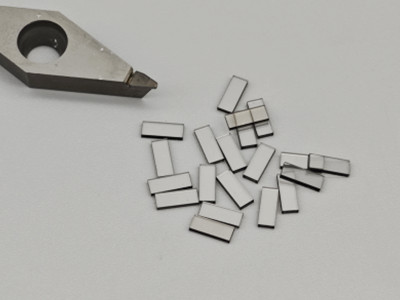
As‑purchased CVD diamond plates cannot be directly deployed for workpiece cutting. A sequence of procedures including cutting, forming, grinding, polishing, edge preparation and vacuum brazing is mandatory to produce usable diamond cutting tools.
Laser cutting delivers basic contours yet induces heat‑affected layers and micro‑edge damages. Cutting quality governs grinding allowance and processing efficiency in subsequent grinding operations. Premium raw material is fundamental; nevertheless, processing techniques, consumables and equipment create performance gaps among end products.
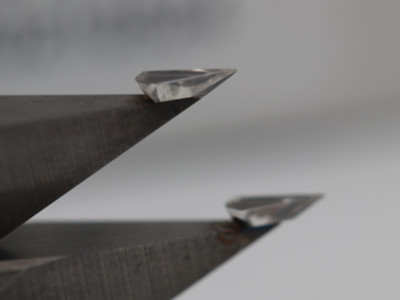
A classic question raised by numerous engineers: diamond ranks among the hardest known materials, so what tool can machine diamond?
The answer is: diamond machines diamond.
⚠️ Common Misconception in Grinding Wheel Selection: Finer grain size does not always guarantee superior machining results. Selection must take multiple factors into account: CVD diamond plate grade, machining allowance, tool geometry, cutting‑edge requirements, target surface roughness, processing efficiency, wheel bond type, abrasive concentration, grinder rigidity and cooling conditions.
| Wheel Type | Core Advantages | Typical Applications Scenarious |
| Metal Bonded Diamond Grinding Wheel | Strong abrasive retention, excellent profile retention | Form grinding, heavy‑stock rough grinding, profile replication |
| Vitrified Bond Diamond Grinding Wheel | High rigidity, superior shape stability, easy dressing | High‑precision mass grinding, stable mass‑production scenarios |
Real‑world production case: Even with identical batches of CVD diamond plates, switching between ceramic‑bonded and metal‑bonded diamond wheels paired with grinders of varying precision can lead to several‑fold differences in tool edge chipping rate and surface roughness. Sourcing high‑grade CVD diamond plates alone without matching appropriate grinding wheels and grinders cannot deliver high‑performance cutting tools.
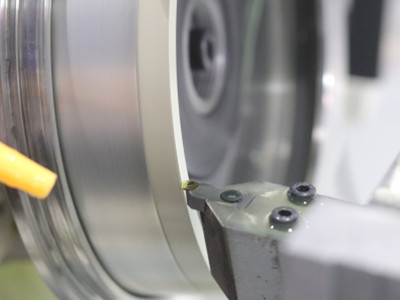
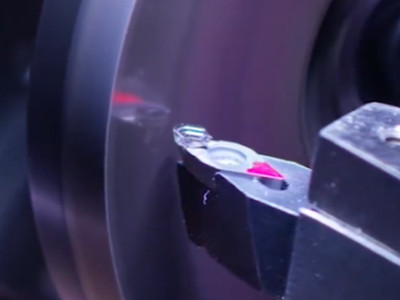
The full sequence transforming CVD diamond plate into a production‑ready cutting tool is listed below:
Industry observation: Tools manufactured from CVD diamond plates of identical dimensions and crystal‑orientation batches may deliver vastly different performance across fabricators. The root causes lie in gaps in grinding processes, grinder precision, vacuum brazing technology and edge‑treatment procedures.
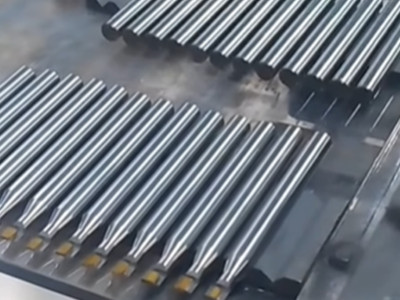
PCD polycrystalline diamond is another mainstream substrate for superhard cutting tools. Although CVD diamond plates and PCD feature distinct crystal structures, their manufacturing workflows both rely on diamond grinding wheels and high‑precision grinders for grinding and edge finishing.
For factories producing both CVD and PCD tools, ceramic‑bonded diamond wheels, metal‑bonded diamond wheels and grinders represent core production assets rather than discrete spare parts.
CVD / PCD tool cutting edges wear after prolonged cutting cycles. Provided the tool body and diamond layer remain intact, worn tools can be re‑sharpened and reused:
Reliable in‑house tool reconditioning capability helps manufacturers cut tool procurement expenses, lower new‑tool purchase frequency and reduce per‑piece workpiece processing costs.
After extended grinding of CVD diamond plates, ceramic‑bonded and metal‑bonded diamond wheels suffer abrasive grain blunting, wheel loading and profile deformation. Even before full end‑of‑life, degraded wheels cause reduced grinding efficiency, workpiece burning, dimensional drift and edge chipping defects.
Specialized diamond dressing tools are required for periodic dressing to restore wheel working surfaces. Closed‑loop workflow:
Synergy among grinding wheels, dressing tools and high‑precision grinders determines stable mass‑production capacity for the entire superhard processing line.
Many tool manufacturers face pain points: premium CVD diamond plates are purchased, yet improper wheel selection, insufficient process know‑how, inadequate grinder matching and immature vacuum brazing technology result in low yield and lengthy commissioning cycles.
Moresuperhard delivers end‑to‑end product and technical support covering materials and equipment along the full industrial chain:
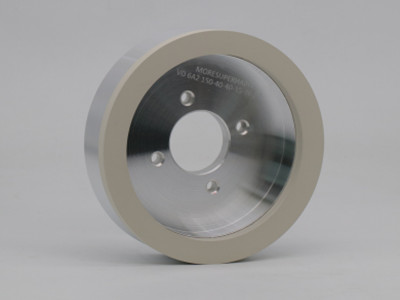
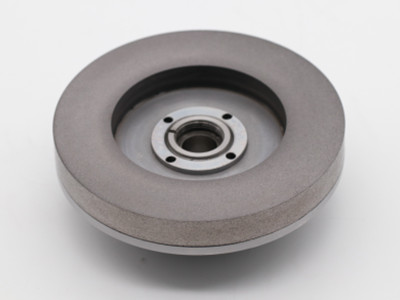
Transforming a CVD diamond plate into a high‑performance diamond cutting tool involves far more than simple cutting and grinding. Every procedure along the chain influences final dimensional accuracy, surface quality, edge chipping resistance and service life. CVD diamond plates, ceramic‑bonded diamond wheels, metal‑bonded diamond wheels, grinders, vacuum brazing machines, dressing tools and finished cutting tools are not isolated commodities; together they constitute a complete superhard manufacturing ecosystem.
Enterprises building CVD / PCD tool businesses should compare not only CVD diamond plate purchase prices, but also downstream processing solutions, grinding wheel selection, grinder process parameters, vacuum brazing workflows, edge preparation strategies and wheel maintenance protocols.
If you are sourcing CVD diamond plates, ceramic‑bonded diamond wheels, metal‑bonded diamond wheels, or require grinder and vacuum brazing machine process solutions, please contact Moresuperhard engineers for customized technical proposals.

Q1: Can CVD diamond plates be directly used as cutting tools?
A: No. Raw CVD diamond plates must undergo laser cutting, vacuum brazing assembly, grinding, polishing and edge preparation before deployment as cutting tools.
Q2: What grinding wheels are suitable for machining CVD diamond?
A: Ceramic‑bonded diamond wheels suit high‑precision stable mass‑production. Metal‑bonded diamond wheels fit heavy‑stock form grinding and support dry grinding. Resin‑bonded diamond wheels cannot run dry. Parameters must be matched to grinder conditions.
Q3: What core equipment is required to manufacture CVD diamond cutting tools?
A: Key equipment includes laser cutting machines, high‑precision grinders and vacuum brazing machines, supplemented by diamond grinding wheels and wheel dressing tools.
Diamond grooving wheel grit selection guide with real Turkish client case. Compare rough grooving, fine re‑grooving for natural & lab‑grown diamond cleaving to raise yield.
Custom electroplated, sintered & CVD‑enhanced diamond rotary dressers for aerospace, semiconductor, new‑energy vehicle, robotics. High profile accuracy & long service life.
Add: Zhongyuan Rd, Zhongyuan District, Zhengzhou, 450001, Henan, China
Tel: +86 17700605088



